


The Truth About America’s Debt Crisis

ByTammi Huang
UpdatedMar 4, 2026
- The average American has about $16,000 in credit card debt.
- Increasing credit card balances means you are spending more than you earn. This is not sustainable.
- Debt relief may be an option for those who cannot afford to pay off their credit cards.
Free up cash each month with Freedom Debt Relief
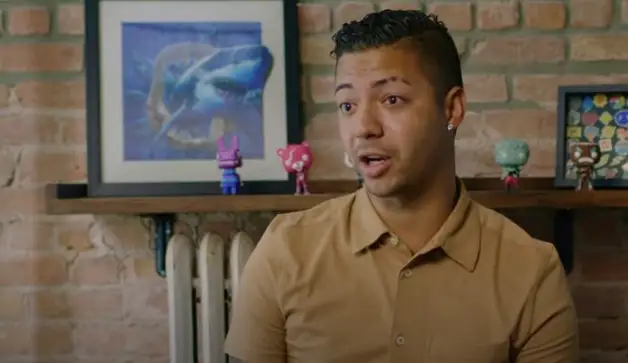
Ozzy S., Freedom client²
“Right away, I had more money each month because of program costs so much less than what I was paying on my minimums.”


It’s no secret that the United States is a country that runs on debt. Stagnant wages, higher cost of living, and the inability to pay off what we owe keeps more and more people stuck in the red. What used to be a common headache has quickly grown into a larger financial epidemic.
According to the Federal Reserve, Americans now collectively carry more than $1 trillion in revolving debt. It’s a startling milestone, but the problem is only getting worse. Here’s what’s happening in the American debt crisis.
Where is the money going?
To take a deeper look, the average U.S. household has over $16,000 in credit card debt. Families increasingly rely on credit cards just to cover daily expenses, and approximately 10 percent of their income is used to pay non-mortgage debts.
This is worrisome because many people barely have enough money to pay for basic necessities. So, when unexpected financial hardships arise, they’re forced to dig themselves into even deeper debt, worsening the American debt crisis even further.
It’s a harsh cycle, but what’s more alarming is the fact that so many people who are struggling with debt only make minimum payments on their accounts.

Put your money to better use
If you aren’t paying your credit cards in full each month, you could be wasting far more money than you realize. All of the money you’re paying on interest could go towards building a stronger financial future instead.
Needless to say, only making minimum payments isn’t an effective or cost-friendly way to deal with debt. You could easily spend decades trying to pay off your credit cards and still not be able to clear it off.
So, what’s the solution?
While it may seem impossible to get rid of heavy credit card debt, there is a smarter way out. Here at Freedom Debt Relief, we’ve created a program that helps people solve their debt problems; and it doesn’t involve a debt consolidation loan, so good credit isn’t required.
If you need debt relief in Kansas City, MO (or anywhere else in the country), explore your options. The first step is the most important one—find out more today.
If you’re part of the American debt crisis and are struggling with debt or worried about falling behind on payments, it might be time to take action. Freedom Debt Relief is here to help you understand your options for dealing with your debt, including our debt relief program. Our Certified Debt Consultants can help you find a solution that will put you on the path to a better financial future. Find out if you qualify today.
Learn More
How to Get Out of Credit Card Debt (Freedom Debt Relief)
U.S. Credit Card Debt Hits All-Time High, and Overdue Payments Rise for Young People (NPR)
U.S. Household Debt in Four Charts (Reuters)
Insights into debt relief demographics
We looked at a sample of data from Freedom Debt Relief of people seeking debt relief during January 2026. The data provides insights about key characteristics of debt relief seekers.
Credit utilization and debt relief
How are people using their credit before seeking help?
Credit utilization measures how much of a credit line is being used. For example, if you have a credit line of $10,000 and your balance is $3,000, that is a credit utilization of 30%. High credit utilization often signals financial stress.
We have looked at people who are seeking debt relief and their credit utilization. (Low credit utilization is 30% or less, medium is between 31% and 50%, high is between 51% and 75%, very high is between 76% to 100%, and over-utilized over 100%). In January 2026, people seeking debt relief had an average of 74% credit utilization.
Here are some interesting numbers:
Credit utilization for debt relief seekers
| Credit utilization bucket | Percent of debt relief seekers |
|---|---|
| Over utilized | 30% |
| Very high | 32% |
| High | 19% |
| Medium | 10% |
| Low | 9% |
The statistics refer to people who had a credit card balance greater than $0.
You don't have to have high credit utilization to look for a debt relief solution. There are a number of solutions for people, whether they have maxed out their credit cards or still have a significant part available.
Personal loan balances – average debt by selected states
Personal loans are one type of installment loans. Generally you borrow at a fixed rate with a fixed monthly payment.
In January 2026, 44% of the debt relief seekers had a personal loan. The average personal loan was $10,718, and the average monthly payment was $362.
Here's a quick look at the top five states by average personal loan balance.
Personal loans - by states
| State | % with personal loan | Avg personal loan balance | Average personal loan original amount | Avg personal loan monthly payment |
|---|---|---|---|---|
| Massachusetts | 42% | $14,653 | $21,431 | $474 |
| Connecticut | 44% | $13,546 | $21,163 | $475 |
| New York | 37% | $13,499 | $20,464 | $447 |
| New Hampshire | 49% | $13,206 | $18,625 | $410 |
| Minnesota | 44% | $12,944 | $18,836 | $470 |
Personal loans are an important financial tool. You can use them for debt consolidation. You can also use them to make large purchases, do home improvements, or for other purposes.
Support for a Brighter Future
No matter your age, FICO score, or debt level, seeking debt relief can provide the support you need. Take control of your financial future by taking the first step today.
Show source
Author Information

Written by
Tammi Huang
Tammi Huang is a Marketing Manager at Freedom Debt Relief. Her goal is to help people adopt better money habits and improve their financial health. She wholeheartedly believes that spending less doesn’t mean living less. When she’s not writing, Tammi fills her free time working on home design projects, trying new restaurants, and exploring dog-friendly spots with her rescue pup.


Debt Relief
